

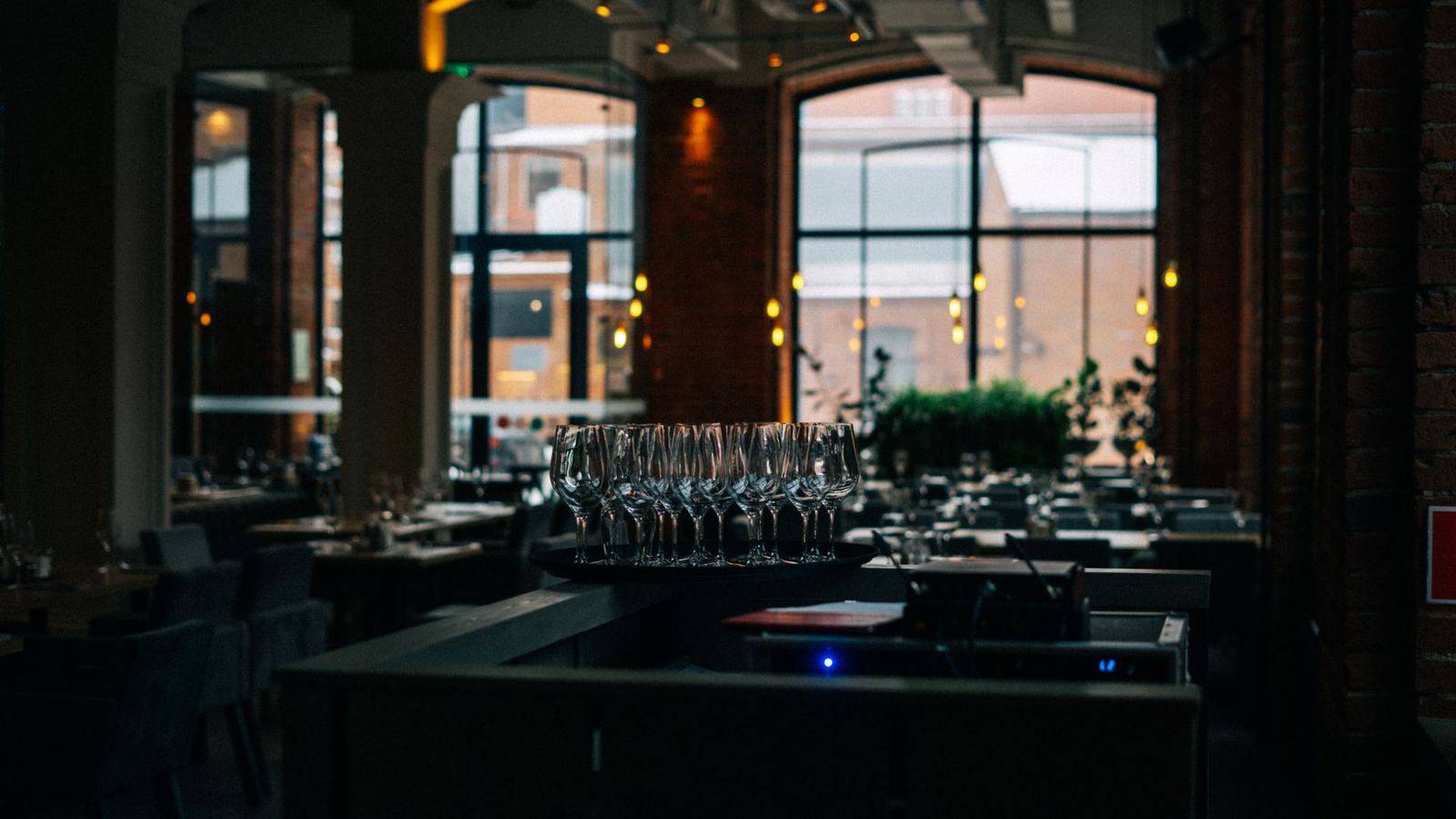

Course names, portions, pace and pairing: what to know on your first tasting-menu evening.
If you are going to a tasting menu for the first time, a single sheet of paper, course names of a couple of words and a long evening ahead can feel daunting. Yet a tasting menu is the dining format that asks for the fewest decisions: the chef chooses, and you simply enjoy.
Reading the menu card
Course names usually state the main ingredient and one or two companions. “Charred beetroot, çökelek, currants” sounds like three things, but each has gone through a different process. At the end of the card you will find the allergen lines and any notes on changes; the kitchen may revise the menu one last time in the morning.
Why are the courses small?
Seven or eleven courses do not mean each is a full meal portion. Portions are small because the point of the flow is not to fill you up but to let you experience differences of taste in succession. After about two and a half hours the total amount eaten equals a good dinner.
Timing and pace
- Seatings start at a set time; if you arrive late one of the first courses may be skipped.
- Pauses between courses are normal; bread, water and wine continue meanwhile.
- Slow eating completes the flavour: finish the plate before it cools, but without hurrying.
Choosing wine and drinks
You do not have to take a pairing. If you prefer you can choose just wine by the glass, a non-alcoholic fermented drink or a tea pairing. The sommelier will stop by after the first course to answer your questions, and you can change your mind then too.
What to know before you book
State your allergy and diet information when you book; alternatives for most courses can be prepared with 24 hours' notice. The deposit is deducted from your bill on the day. There is no strict dress code, but a relaxed yet smart look suits the room.
Our suggestion for a first evening at Sırça Mutfak
If you are new to tasting menus we suggest starting with the seven-course Seasonal Tasting Menu: the flow is balanced, the length reasonable and the pairing optional. Later, when you want to sit at the counter and talk with the chef, you can try the Chef's Counter.
Three frequent questions
Is the menu expensive? The per-guest price covers the seven courses, bread and butter service, water and filter coffee; only wine, cocktails and the 10% service charge are extras. Compared with an à la carte evening the difference is often smaller than expected.
Do I have to finish everything? No. If a course does not suit you, simply tell your server; the kitchen adjusts the next course accordingly.
May I take photos? Of course; we only ask that you do not use a flash or disturb the neighbouring table.
Related Posts
Allergy and diet notification: six steps to eating safely
How allergen control should work from booking to service.
Read More